Statues - Hither & Thither |
Site Search:
|
|
Praha
Hlavní mĕsto Palackého náměstí, Nové Město |
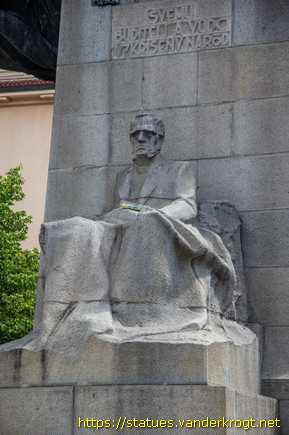
František PalackýHodslavice 1798 - Praha 1876Czech historian, politician, writer and organiser of public cultural and academic life in Prague during the heyday of the Czech National Revival. He is regarded as the founder of modern Czech historiography and is known as the Father of the Nation. (Wikipedia) |
Various sculptors
1912 |
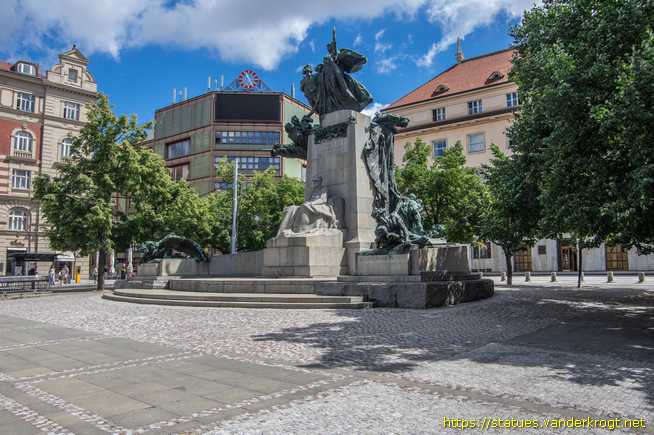
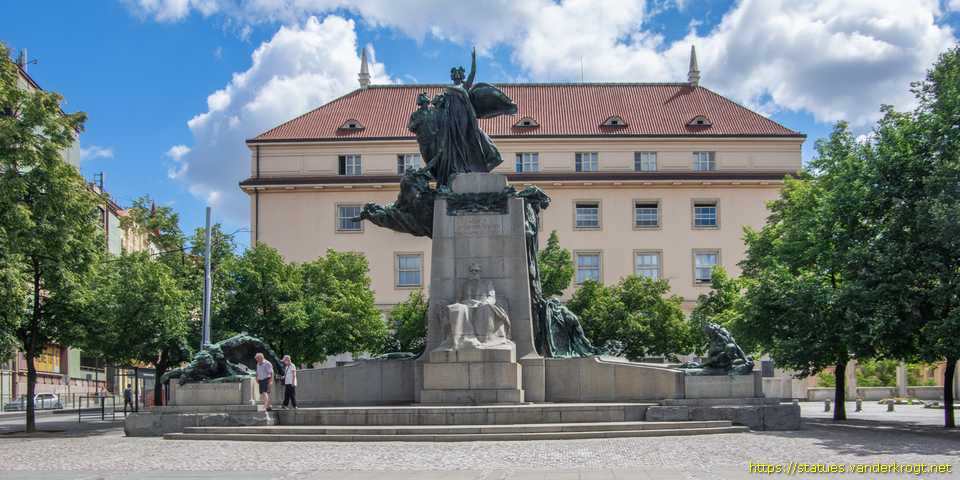
Horseshoe-shaped plinth with in the center, on a separate plinth, a seated stone figure of František Palacký by Stanislav Sucharda.
Above the statue is the inscription:
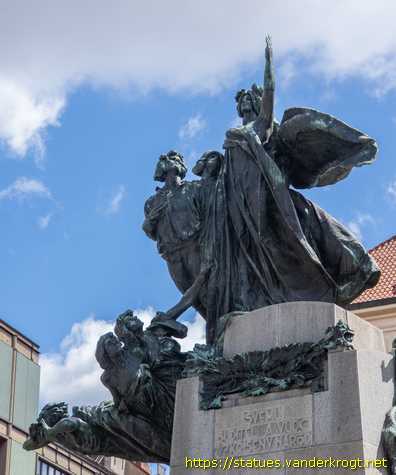 Photo 1: Genius of History and the Voices of History |
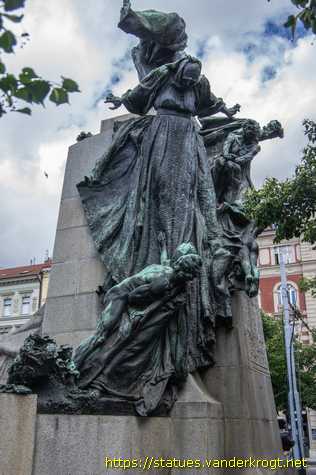 Photo 2: History |
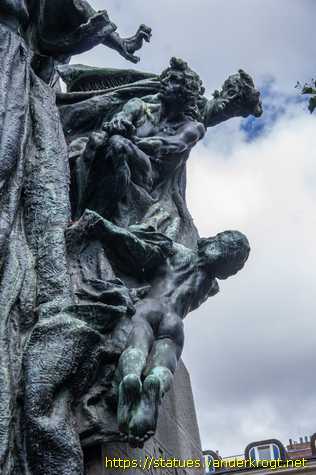 Photo 3: History
|
Behind this statue is a tall conical pedestal with a stone crown adorned with bronze leaves.
On this pedestal stands a multi-figure sculpture by Josef Maratka depicting an allegory of the Genius of History and the Voices of History, to which Palacký is listening (photo 1). At the top stands a female figure (Bohemia) proclaiming the resurrection of the nation, with her robe billowing, her left hand raised and her right hand embracing a young man in peasant attire. She is accompanied by another female figure and three flying figures of Geniuses – two female and one male, with their hands pressed to their mouths.
On the back of this pedestal is a long inscription:
On the right side of the pedestal is History depicted (photos 2 and 3), the dominant figure is a tall, elderly woman with her head bowed and a wide cloak, accompanied by a naked, flying maiden and two naked male figures.
On the right side of the pedestal is History depicted, the dominant figure is a tall, elderly woman with her head bowed and a wide cloak, accompanied by a naked, flying maiden and two naked male figures.
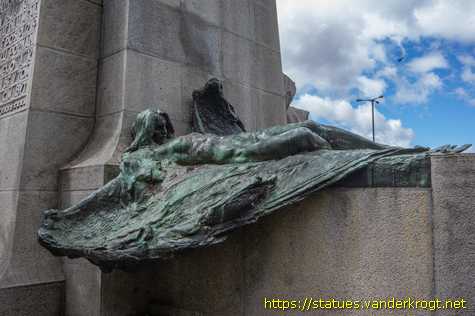 Photo 4: White Mountain |
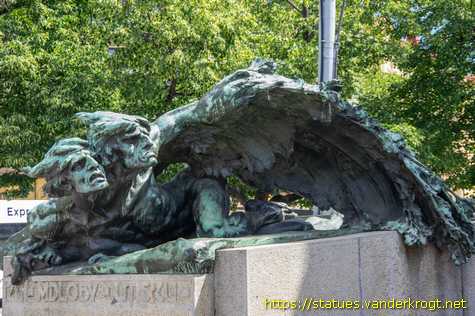 Photo 5: The Oppression of the Nation. |
White Mountain photo 4). On the left-hand side of the pedestel lies a naked female figure representing the White Mountain.
The Oppression of the Nation (photo 5). On the far left part of the horseshoe, an allegorical double-headed winged male figure, representing evil and the oppression following the Battle of White Mountain, lies upon a fainting youth, with below it the inscription:
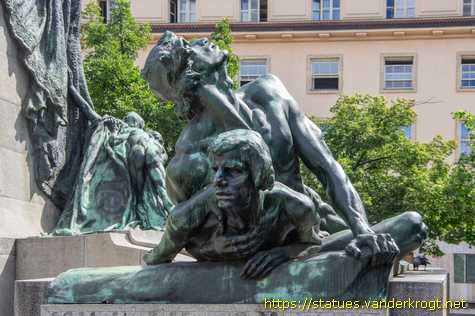
The National Awakening (photo 6): On the opposite right part side is a group sculpture of two young men, one of whom is looking up towards the sky, below them the inscription:
Given the scale of this work, Sucharda enlisted the help of further assistants: the sculptor Josef Drahoňovský, Josef Mařatka, his brother Vojtěch Sucharda, and his two pupils, Bambas and Čermák.

Your banner here? Click for information.